The Caffeine Audit: Is Your Habit Costing More Than a Subscription?
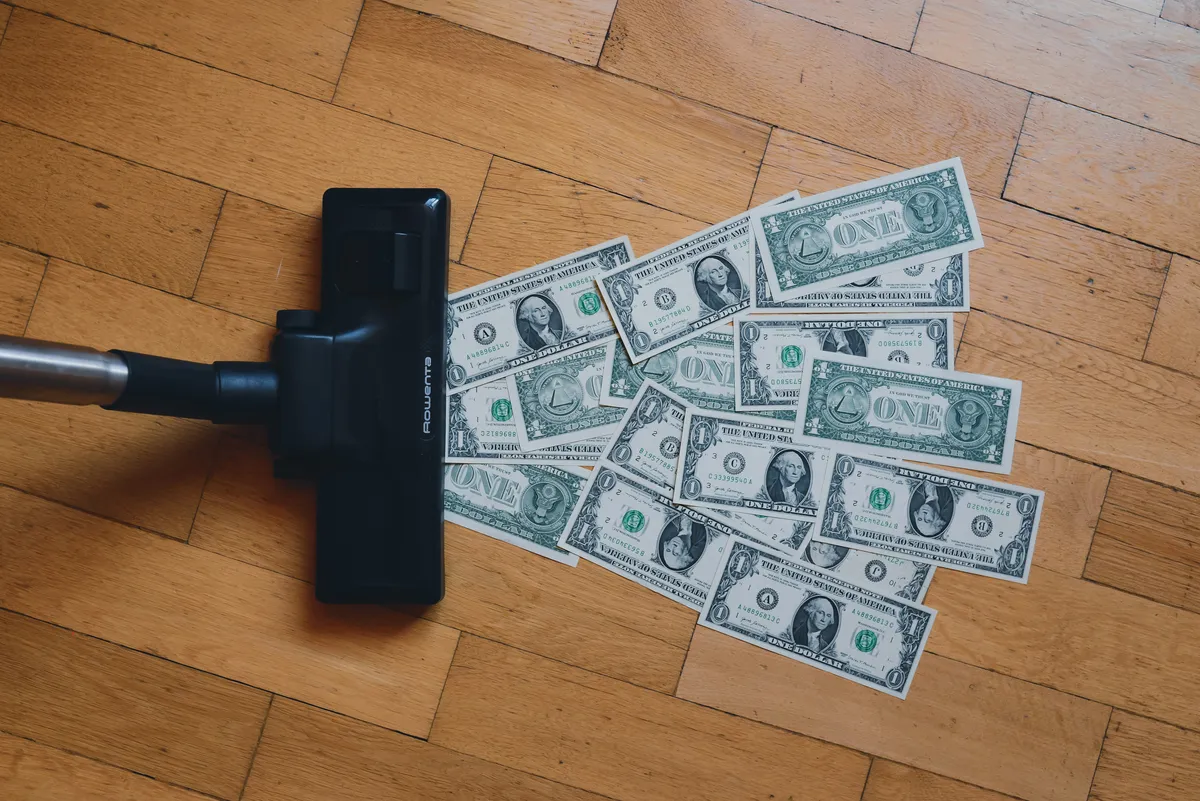
The Invisible Subscription
People talk a lot about the jitters and the disturbed sleep cycles, but we rarely look at the actual line-items on our bank statements. For a lot of us, caffeine has morphed into a hidden subscription, just another monthly fee we pay to reach a functional baseline.
The Backpacking Budget-Killer
A few years ago, I was backpacking through India on a shoestring budget. I found in most restaurants or shops that tea is the go-to, while good coffee is a luxury. Because I was locked into a high-caffeine dependency I couldn’t just go with the flow, I had to get my fix! I spent my days hunting down specialized cafes and dropping $2 a drink.
In a country where $2 buys you a large meal, my habit was a financial disaster. I wasn’t just paying for coffee; I was paying a dependency tax that dictated where I could travel and how long I could stay on the road.
The $4,000 Morning Tax
In a city like New York, that $2 traveler price jumps to $6 or $7 for a latte. If you’re a two-cup-a-day person:
- Weekly: $80+
- Yearly: Over $4,000
Even if you brew at home with high-end beans and filters, the cost isn’t exactly cheap. When you actually crunch the numbers, a heavy caffeine habit can rival a car payment or a premium gym membership.
What Happens When You Scale Back?
When you use a structured plan to lower your intake, you aren’t just quitting coffee—you’re giving yourself a massive annual raise. It’s about more than just the cash, though:
- Buying Back Your Time: Think of the hours spent walking to cafes or standing in line. That’s dozens of hours of sleep or deep work you get back every year.
- Treat vs. Requirement: By hitting a lower, intentional caffeine goal, you move from paying to feel normal to paying for an actual treat.
- The Calm Dividend: Better sleep and lower anxiety usually mean fewer “stress purchases” and a lot less spent on quick fixes for exhaustion.
Taking Back Control
Our app was built to help you manage the biology of caffeine, but the side effect is a much healthier wallet. By following a steady reduction, you can watch your daily dose drop while your savings climb, all trackable within our app.
Structure doesn’t just lead to better sleep; it leads to an intentional life—one where your money goes toward your next big adventure, not just your next fix.